
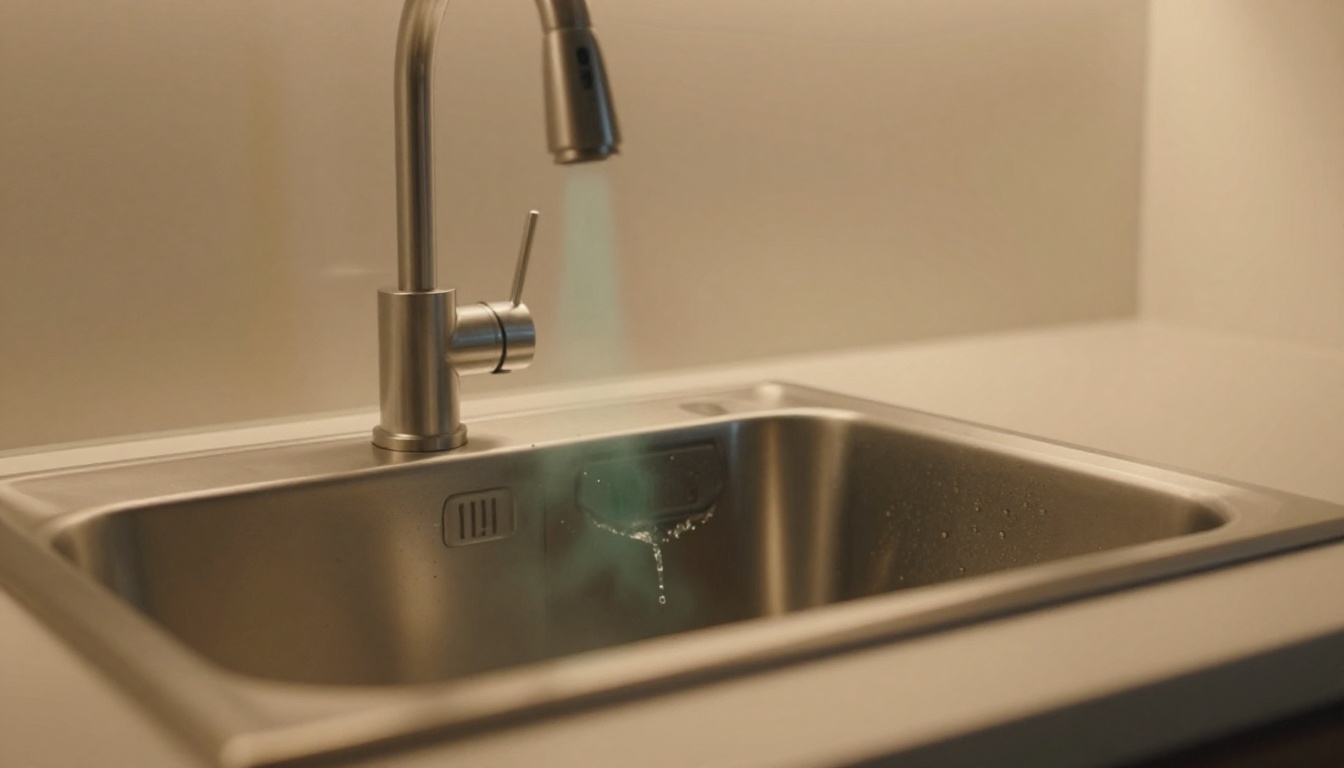
The smell usually shows up at the worst time. The sink looks clean, the dishes are done, and then a sour, rotten odor drifts up the drain and sits in the kitchen air.
A bad garbage disposal smell is rarely random. In most homes, it comes from food scraps, grease, bacteria, or a plumbing issue that has started quietly and then turned hard to ignore. The good news is that most odors have a plain cause, and many can be fixed without much trouble.
The smell usually starts with food that never fully left
A garbage disposal doesn’t have sharp blades in the way many people assume. It uses impellers to break food into smaller bits, then pushes that waste into the drain. When enough water runs, most of it moves on. When it doesn’t, bits stay behind.
That leftover material sticks to the disposal chamber, the grinding ring, and the rubber splash guard. It also clings to grease already coating the inside. Given enough time, the mix starts to rot. Bacteria feed on it, and the smell gets stronger.
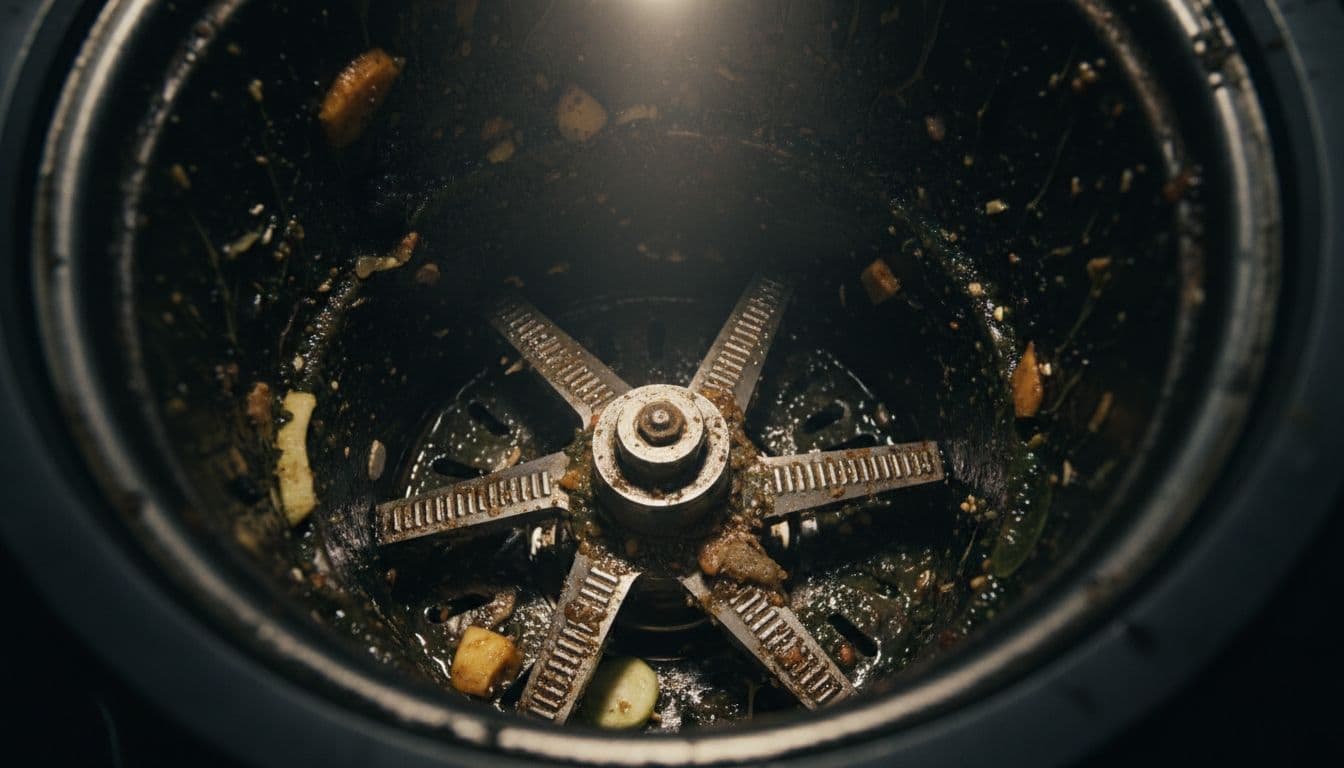
The splash guard is often the hidden culprit. Food tucks under those rubber folds, out of sight and hard to rinse away. Many foul smells blamed on the disposal itself are actually coming from that ring.
Grease makes the problem worse. A thin film of oil catches crumbs, coffee grounds, and meat scraps. Then a slimy layer forms. That biofilm holds odor the way a sponge holds water.
This quick guide helps narrow it down:
| Symptom | Likely cause | Best first fix |
|---|---|---|
| Sour or rotten smell | Trapped food residue | Scrub splash guard and flush |
| Greasy, stale odor | Fat and oil buildup | Hot soapy flush, then cold-water rinse |
| Sewer-like smell | Dry trap or drain issue | Run water, check plumbing |
| Smell returns fast | Biofilm inside chamber | Deep clean or enzyme cleaner |
If the odor spikes when the sink is disturbed, the splash guard usually deserves the first look.
Poor rinsing habits also matter. Running the disposal for a few seconds without enough cold water leaves debris behind. Over time, that habit creates the kind of smell that air freshener can’t hide.
The best fixes are simple, but order matters
Most disposals don’t need exotic treatment. They need residue removed from the places water misses. In practice, the most useful cleaning routine is also the least dramatic.
First, unplug the unit or switch off power at the breaker if hands will go near the opening. Safety has to come first.
Then work through the cleanup in this order:
- Scrub the underside of the rubber splash guard with dish soap and a brush.
- Pour in baking soda, then white vinegar, and let it fizz for five to ten minutes.
- Flush with water.
- Grind ice cubes with a few lemon peels under running cold water.
- Finish with a sinkful of hot water and dish soap, then drain it while the disposal runs.
That sequence works because each step handles a different problem. The brush removes stuck food. The baking soda and vinegar loosen grime and cut odor. Ice helps knock residue off interior surfaces. Lemon peels leave a cleaner smell, although they are more deodorizer than cure. The hot soapy flush helps lift grease from the drain walls.
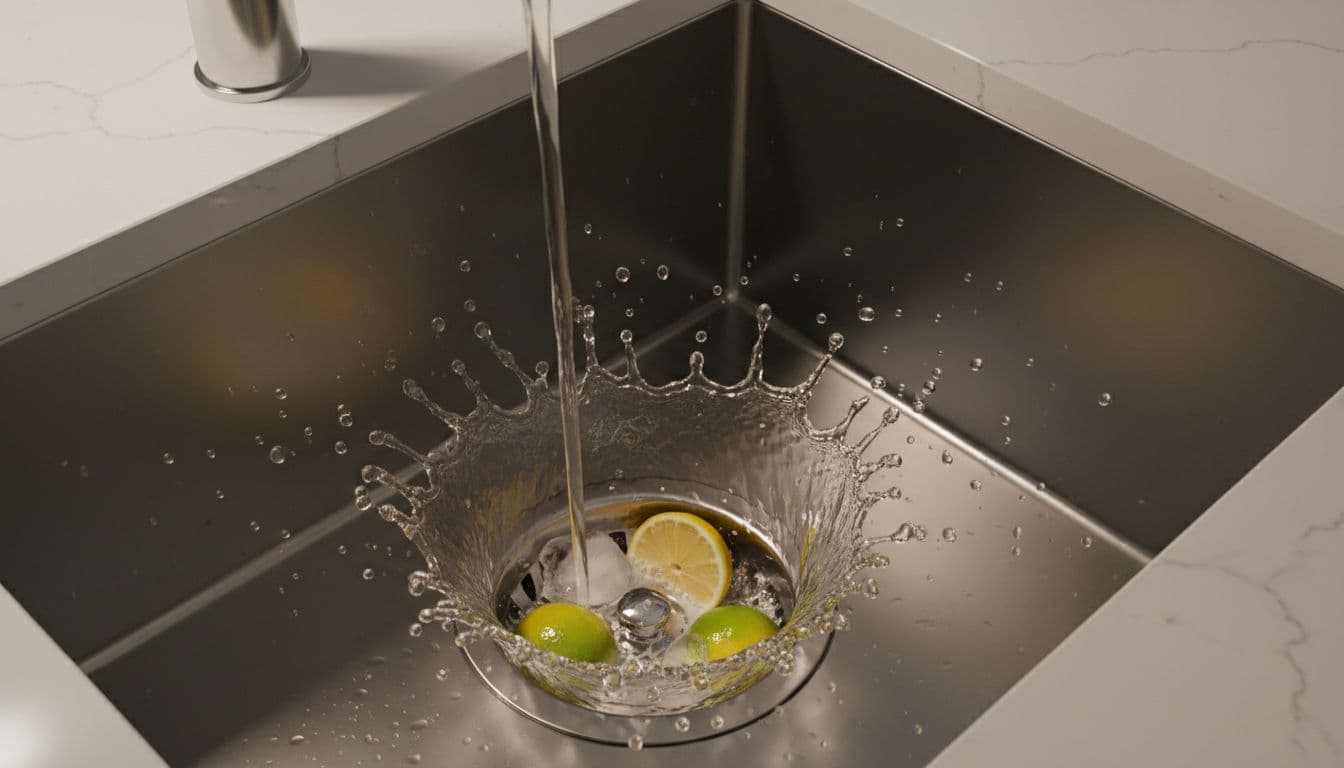
Cold water matters during grinding because it keeps grease firmer and easier to move along. Warm water during use can soften fat and spread it around the chamber. Later, hot soapy water can help clear what remains on the pipe walls.
Store-bought cleaners can help, but they are not magic. Foaming disposal cleaners, such as Glisten, do a decent job reaching under the splash guard and clinging to the chamber. They are useful when a smell keeps coming back after basic cleaning. Still, they won’t fix a clogged trap or remove a heavy layer of grease by themselves.
Enzyme drain cleaners are another practical option. They break down organic buildup over time and are safer than harsh chemical drain openers. In regular kitchens, they work best as maintenance, not as an instant rescue.
Chemical drain cleaners are the bad bet here. They can damage seals, create heat, and leave harsh residue in the unit. For a simple garbage disposal smell, they usually add risk without solving the actual cause.
Sometimes the disposal isn’t the problem
A bad smell from the sink does not always begin inside the disposal. When the odor has a sewer note, the issue may be in the plumbing below.
The P-trap, the curved pipe under the sink, holds water that blocks sewer gas. If that trap dries out, gas can rise into the kitchen. This tends to happen in sinks that don’t get used much. In other cases, a partial clog in the drain line traps decaying debris farther down the pipe.
A damaged seal or venting issue can also change the smell. Those problems usually show up as odors that return almost at once, even after a careful cleaning. Slow draining, gurgling, or backing water are other clues.
This is where product fixes stop making sense. A foaming cleaner cannot repair a dry trap. Lemon peels cannot clear a deep clog. If the smell is sewage-like and persistent, a plumber is often the only efficient next step.
There are also limits to what a disposal should handle. Fibrous foods, potato peels, corn husks, onion skins, and large amounts of pasta or rice often turn into a paste or stringy mass. Grease is worse. Once those habits build up, the smell keeps returning because the cause never left.
Regular maintenance is less about perfection than about keeping the chamber from becoming a small compost bin under the sink.
The pattern is usually plain. A bad garbage disposal smell means something organic stayed behind, or something in the drain system stopped doing its job. Most odors fade once residue, grease, and hidden sludge are removed.
When the smell keeps coming back, that persistence is a clue, not a mystery. It often means the real source sits below the unit, in the trap, drain, or vent, where no lemon peel can reach.
This post may contain affiliate links. If you make a purchase through these links, I may earn a small commission at no extra cost to you.
Frequently Asked Questions
Why does my garbage disposal smell bad even when the sink looks clean?
A garbage disposal can smell bad even when the sink looks clean because food particles, grease, and bacteria often collect inside the disposal chamber and under the rubber splash guard where you cannot easily see them. Once that material starts to break down, it creates the sour or rotten odor many people notice in the kitchen.
What part of the garbage disposal causes odor most often?
The rubber splash guard is often the biggest hidden source of odor. Food scraps can get trapped underneath the folds, where they stay damp and start to rot. Many smells blamed on the disposal itself are actually coming from buildup around that guard.
What is the best way to clean a smelly garbage disposal?
A good cleaning routine starts with safety first. Turn off power if your hands will go near the opening. Then scrub the underside of the splash guard with dish soap and a brush, add baking soda and vinegar, flush with water, grind ice cubes with a few lemon peels under cold running water, and finish with hot water and dish soap. That order helps remove stuck food, loosen grime, break up residue, and wash grease from the drain walls.
Should I use hot or cold water when running the garbage disposal?
Cold water is the better choice while the disposal is actively running. It helps keep grease firmer so it moves through the system instead of coating the chamber. Hot soapy water can still help afterward as a final flush to lift grease from the pipe walls.
Why does my sink smell like sewer gas instead of rotten food?
A sewer-like odor may mean the problem is not inside the disposal at all. It can come from a dry P-trap, a partial drain clog, a damaged seal, or a venting issue in the plumbing. If the smell comes back quickly after cleaning, or you also notice slow draining, gurgling, or backup, the drain system deserves a closer look.
When should I call a plumber for a smelly garbage disposal?
Call a plumber when the smell is persistent, has a strong sewer odor, or keeps returning right after a careful cleaning. That usually points to a deeper drain, trap, seal, or vent problem that household cleaners and deodorizing tricks will not fix.
What should never go into a garbage disposal if I want to avoid odors?
Grease is one of the worst offenders because it coats the inside and traps other debris. Fibrous foods like corn husks, onion skins, and potato peels can also build up, while pasta and rice may swell into a sticky mass. Once those materials collect inside the unit or drain, smells often keep coming back.