
You want firelight on a small patio or balcony, but the usual options get old fast. Too much smoke, too much ash, or a setup that feels silly on a coffee table.
That’s why tabletop fire pits have become such a practical buy. They give you a small, controlled flame without taking over the whole space, and the good ones make casual evenings outside a lot easier.
The hard part is picking one that looks nice and still works well after the novelty wears off. That’s where a simple comparison helps.
What separates the best tabletop fire pits from the rest
A tabletop fire pit sounds simple, but small design choices change the whole experience. The best ones aren’t only about appearance. They burn cleanly, sit safely on a table, and stay useful for more than 20 minutes.
Smoke control matters more than fancy looks
Most people stop using a fire pit for one reason, smoke in the face. It turns a calm evening into a chair-shuffling exercise.
That’s why low-smoke performance matters more than a stylish shell. The best tabletop fire pits use better airflow, so fuel burns hotter and cleaner. You still get some smoke with wood or pellets, especially during startup, but it should be mild once the flame settles.
On a small balcony, that difference is huge. Cleaner burn means less smell in your clothes, fewer complaints from neighbors, and a fire you can sit beside instead of around.
Heat, burn time, and fuel type change the experience
Fuel choice decides how the fire feels in real use. Wood gives the most classic fire feel, but it also means more cleanup. Pellets usually burn cleaner and more evenly in compact smokeless models. Propane is the easiest option if you want quick starts and less mess.
Burn time matters too. A tabletop unit with a tiny fuel chamber can look great for 25 minutes, then leave you refilling it all night. That gets old. I usually think of these as evening companions, not all-night heaters, so steady burn and easy refueling matter more than raw flame height.
A small fire pit should feel easy to use, not like another thing to manage.
Size, stability, and table safety should come first
This part is less exciting, but it’s what keeps a good purchase from becoming a bad one. A tabletop fire pit needs a stable base, a footprint that fits your table, and enough heat control that it doesn’t make the whole setup feel risky.
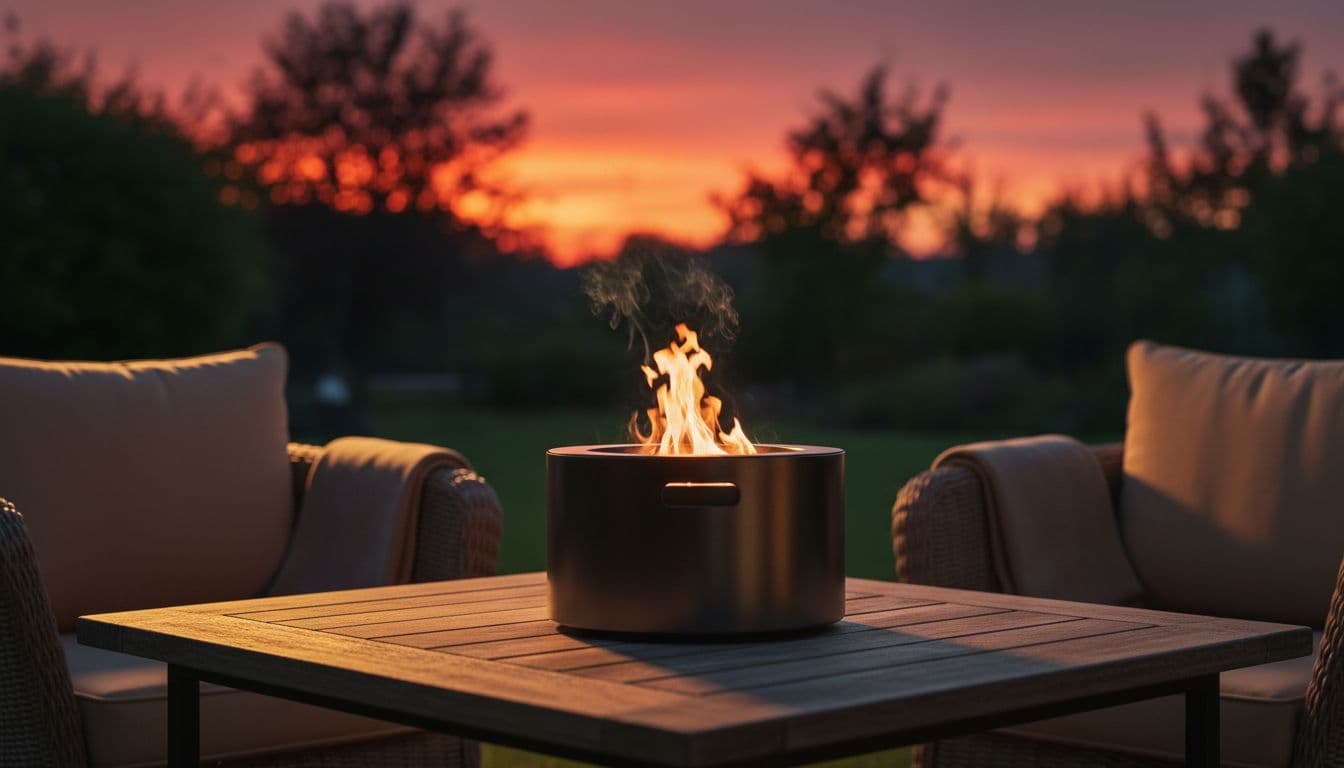
If it wobbles, runs too hot underneath, or crowds plates and drinks, people stop using it. Compact is good, but too small can also feel flimsy. For most buyers, the sweet spot is a model that looks at home on a side table or outdoor dining table and still leaves room for normal life around it.
The tabletop fire pits that stand out in 2026
A few models keep showing up for good reasons. They solve different problems, so the best pick depends on how you plan to use it.
Here’s the quick view first:
| Model | Best for | Main strength | Main limit |
|---|---|---|---|
| OGERY | Flexibility | Dual-fuel use, clean burn | Not the most decorative |
| KingCamp | Small spaces | Compact, easy everyday fit | More about flame than strong heat |
| Ciays | Heat output | Broad flame and stronger warmth | Can use fuel faster |
| Cuisinart Cleanburn | Atmosphere | Good-looking flame and style | Not the top choice for maximum heat |
The short version is simple. OGERY is the most flexible, KingCamp is easiest to live with, Ciays is the warmest-feeling option, and Cuisinart Cleanburn is the one to buy for mood first.
Best for clean burning and flexibility
The OGERY stands out because it gives you more fuel freedom than most small fire pits. That matters more than it sounds. Some nights you want pellets for a cleaner burn. Other times you may prefer a more traditional fuel option.
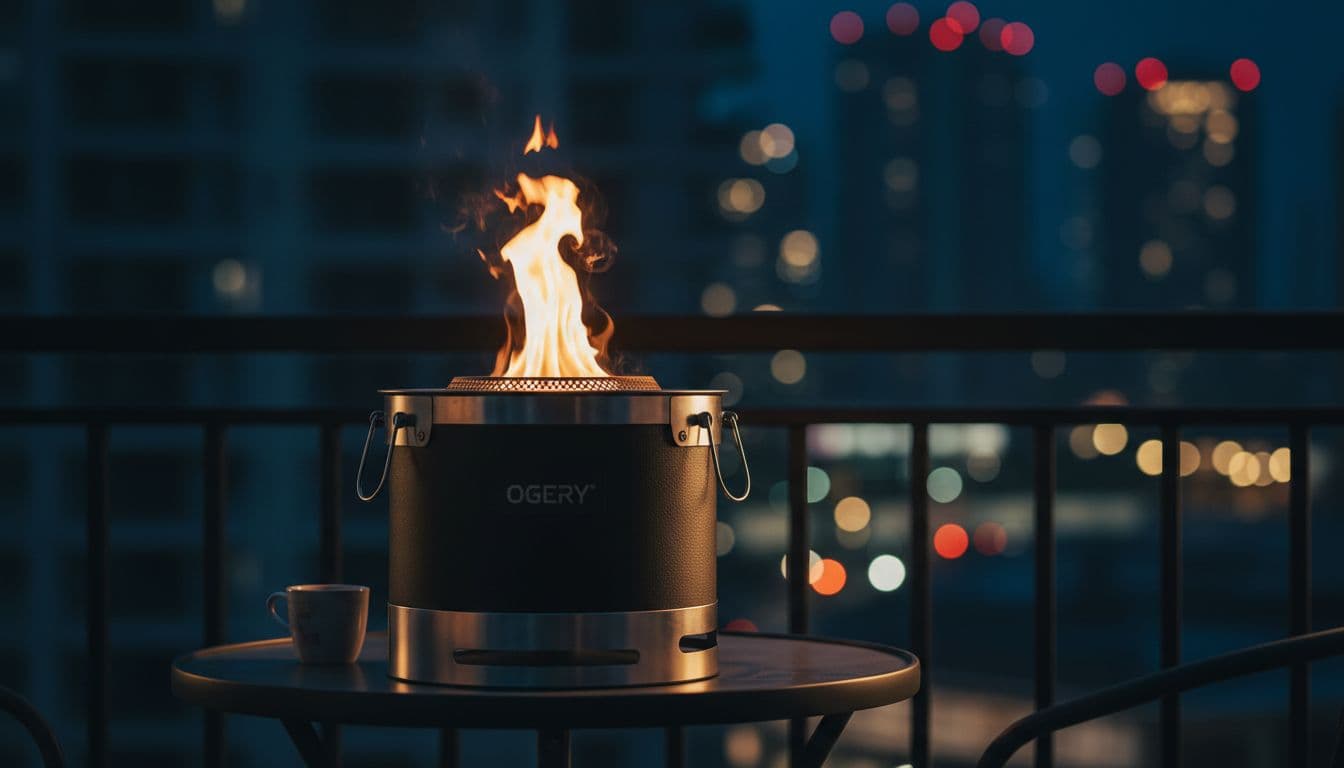
In practice, that flexibility makes it easier to keep using the same unit in different settings. It’s a strong pick for buyers who want one fire pit for a balcony, patio table, or occasional trip away from home. The tradeoff is that it feels more practical than decorative. If you care most about clean use and options, it’s one of the best tabletop fire pits to start with.
Best for small patios and easy everyday use
The KingCamp Smokeless Fire Pit fits tight spaces well. It has the kind of compact footprint that works on smaller outdoor tables without making everything else feel crowded.
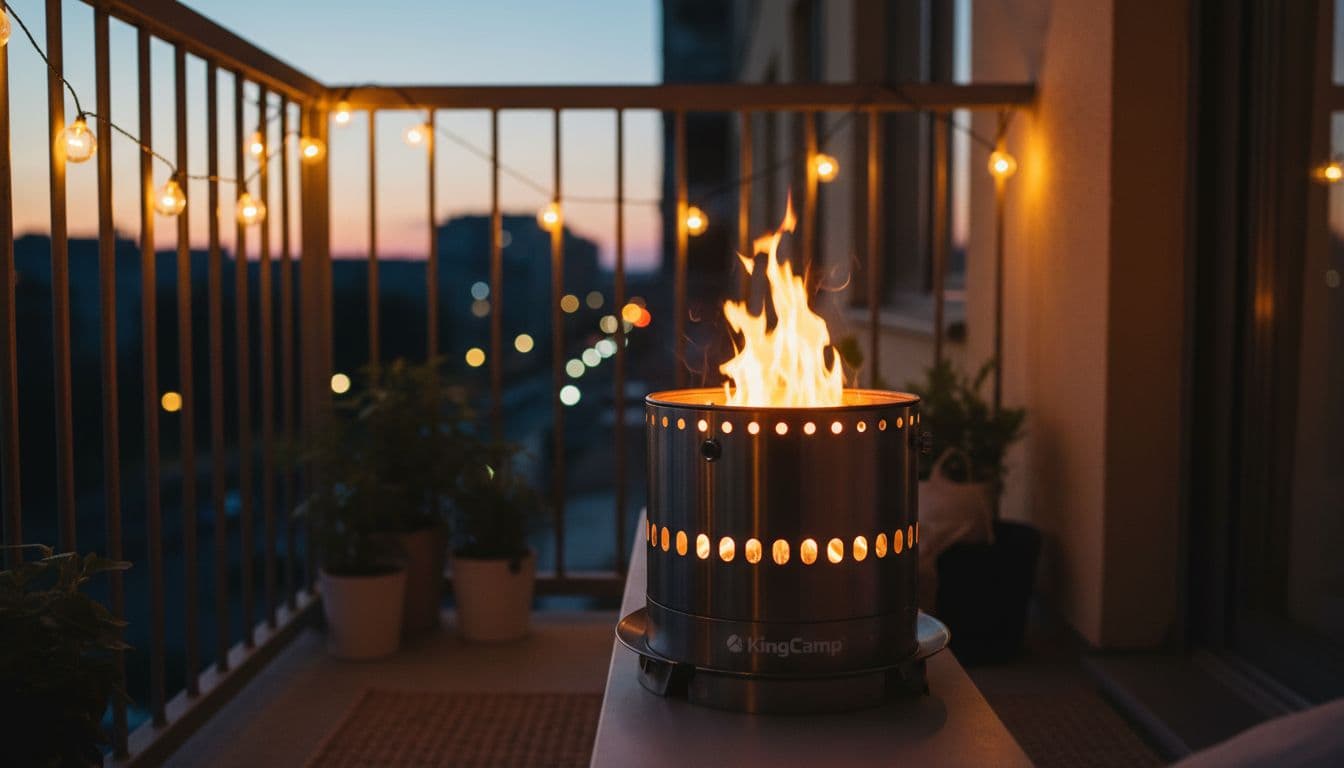
This is the one I’d point to for apartment balconies or quick weeknight use. It gives a nice visible flame, keeps smoke down, and doesn’t ask for much fuss. The limit is simple, it’s better at creating a pleasant fire than pushing a lot of heat across a larger seating area.
Best for the strongest flame and evening warmth
If heat is your main concern, Ciays is the standout. Its airflow design and multi-layer combustion setup help it put out a broader, more noticeable heat zone than many compact rivals.
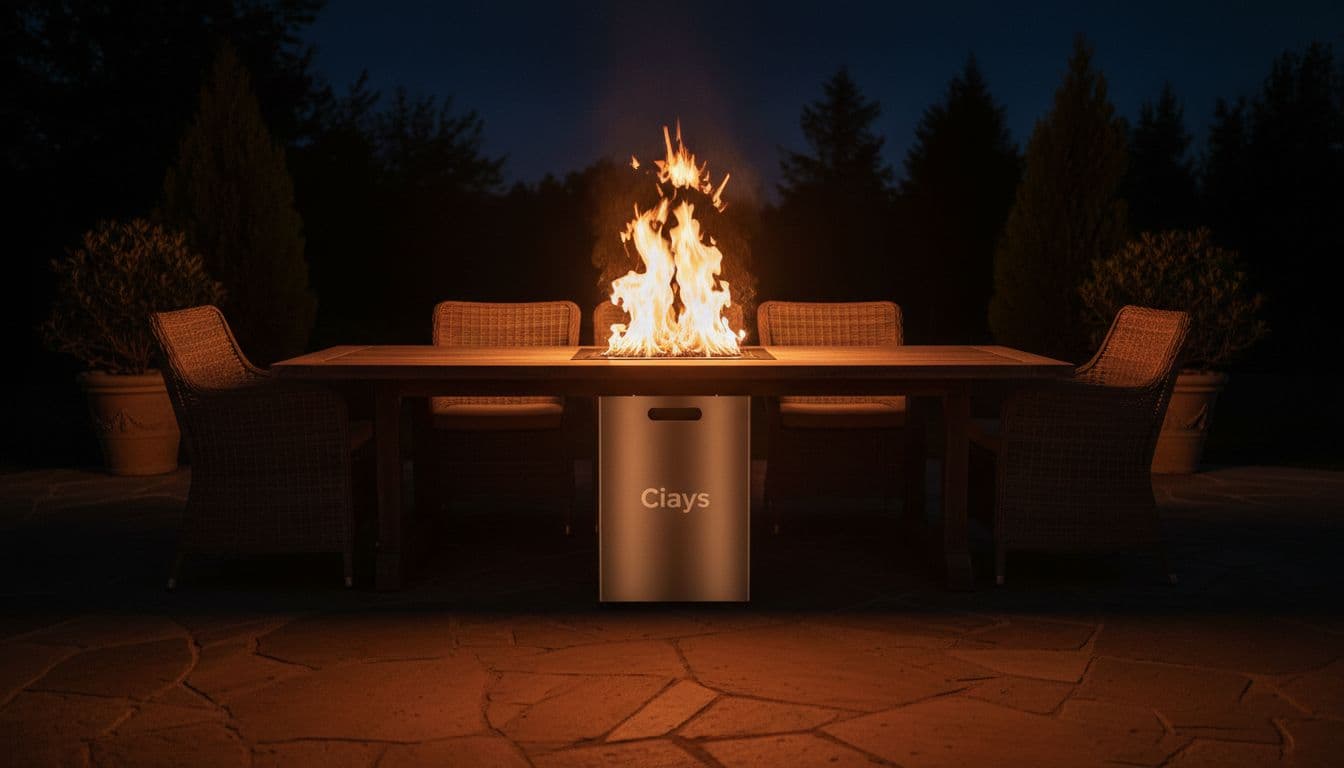
You feel that difference when the night gets cooler and you want more than a decorative flame. It also assembles quickly, which helps if you don’t want a project before dinner. The tradeoff is predictable. More flame and more warmth can mean faster fuel use, and sometimes a less travel-friendly feel than the smallest models.
Best if you want style and atmosphere first
The Cuisinart Cleanburn makes the most sense for buyers who want a fire pit to shape the mood of a space. It has the kind of polished, clean look that works well on a modern patio table.
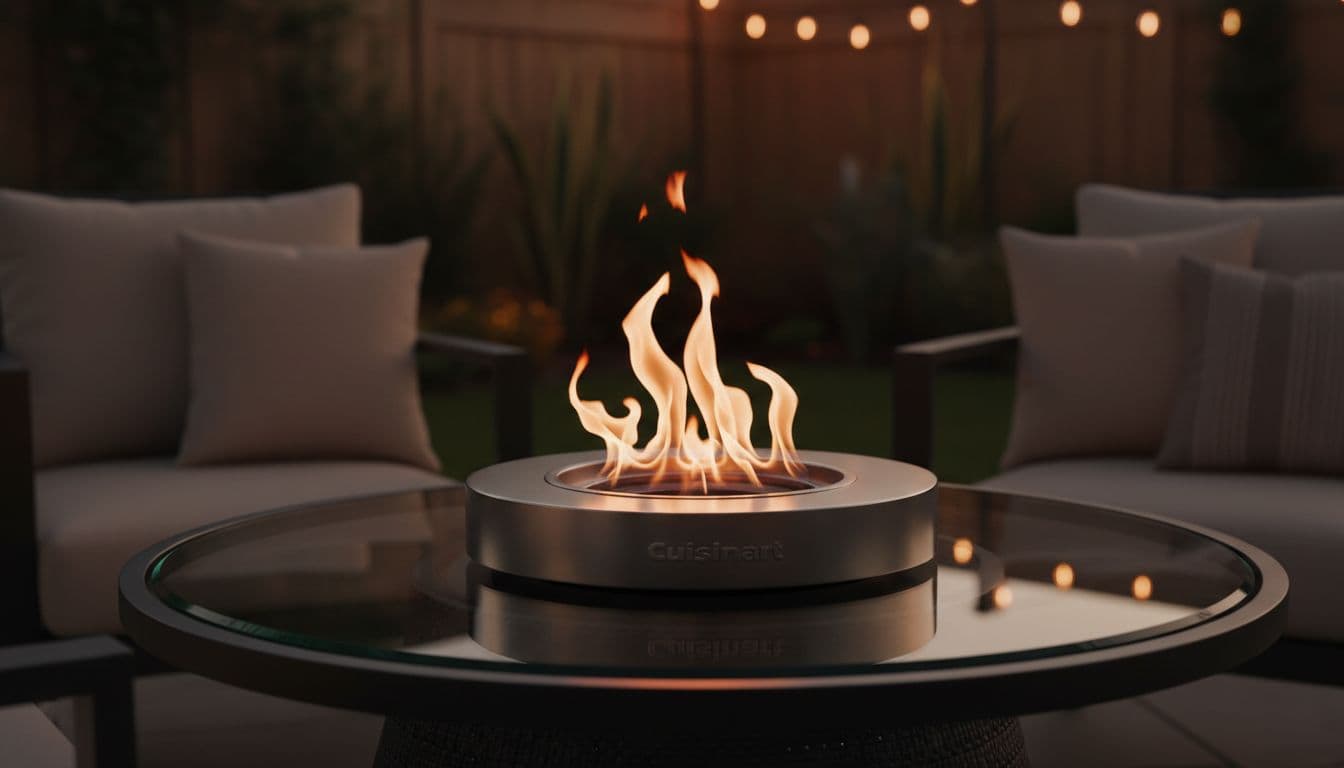
This is the pick for wine-and-conversation evenings, not for trying to warm a whole group on a cold night. That’s not a flaw, but it is a limit. If you want ambiance first and useful heat second, it’s a smart fit.
How to choose the right one for your space and budget
The easiest way to narrow this down is to think about where the fire pit will live most of the time. A balcony usually needs compact size, lower smoke, and good stability in light wind. A small patio gives you a bit more room, but table safety still matters. A backyard dining table can handle a larger unit with stronger flame. Camping use adds another question, how often do you want to move it?
Budget matters, but not every upgrade is worth paying for. Lower-cost models can be fine if you mainly want a small flame for short evenings. Midrange options are usually the better value because that’s where cleaner burn, sturdier materials, and easier cleanup tend to show up. Paying more makes sense when smoke control, better build quality, or dual-fuel flexibility will get used often.
If you host a lot, spend a little more. If you only want occasional atmosphere, you can keep it simple.
Final thoughts
The right pick usually comes down to three things, your space, your fuel preference, and how much warmth you expect from a small fire. That’s it.
For most people, the safest bet is a smokeless, stable, easy-to-light model that doesn’t crowd the table. OGERY is a strong all-around choice, KingCamp fits tight spaces well, Ciays is better for real warmth, and Cuisinart Cleanburn is the better fit when atmosphere matters most.
A tabletop fire pit doesn’t need to be perfect. It just needs to be easy enough that you keep using it, like the other oddly useful products on this site.
This post may contain affiliate links. If you make a purchase through these links, I may earn a small commission at no extra cost to you.